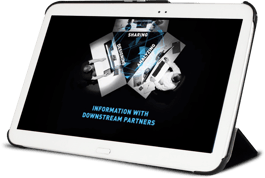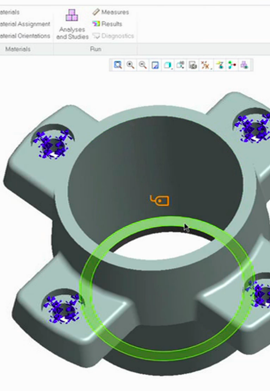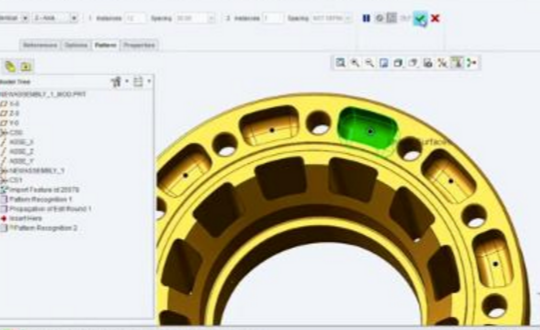
With all the great updates coming as part of the release of PTC Creo 3.0, it can be hard to keep up with all the new features and benefits. To help, here are 3 must-watch videos, which give you all the information you need.
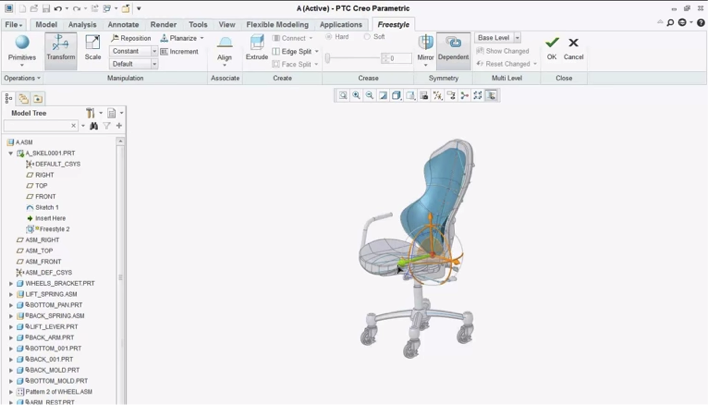
If you’re anything like most product designers, you want to be able to develop more concept designs in the same amount of time, so you can explore more design options and ultimately create a more innovative product.
It’s well known that having the right tools in place is essential to meet growing competition and also take advantage of new market opportunities. In an increasingly competitive market place, you’ll want to make sure your engineering team has what it needs to be a success.
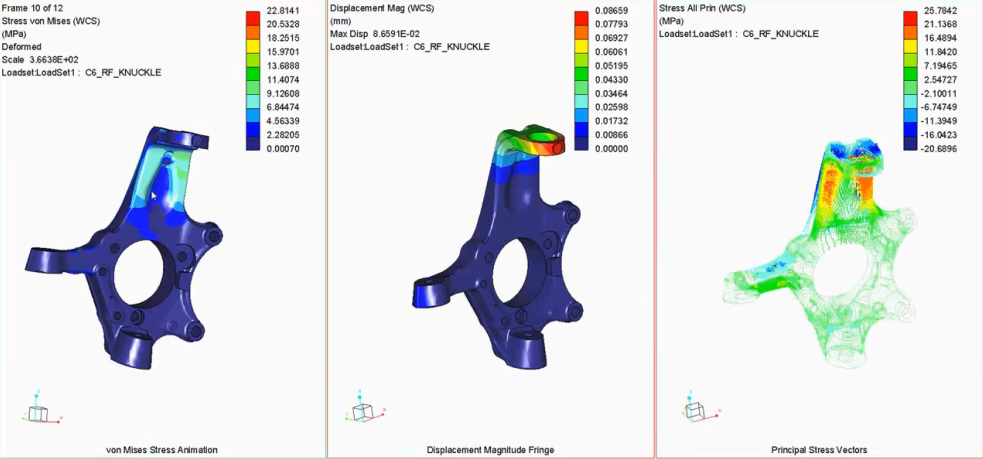
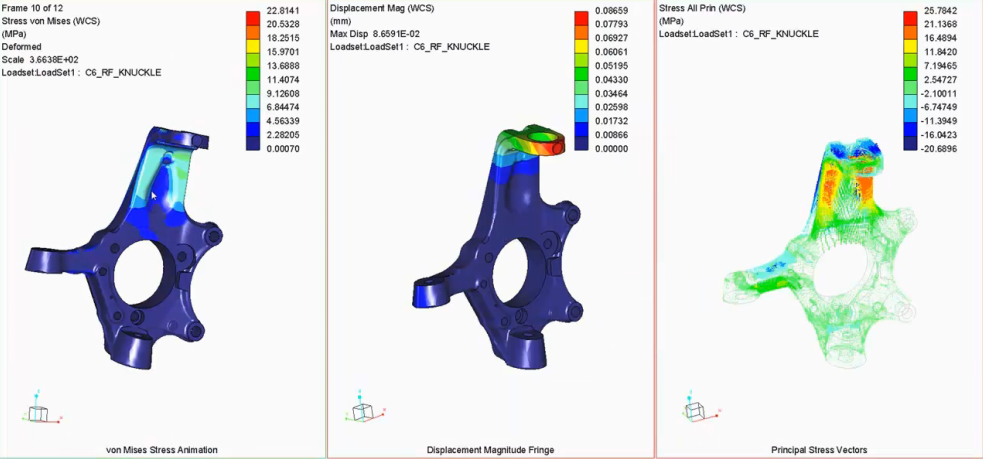
When designer engineers need analysts to validate the designs that they’re working on, there are a couple of challenges that can get in the way. First of all, you need work to the analyst’s schedule. Second, it can be difficult to quickly and efficiently address any design issues that emerge as a result of the analysis.
Creo Simulate, part of the whole Creo product family, is a dedicated structural, thermal and vibration analysis tool. What Creo Simulate does is take all of the best features that used to be locked away within the parametric modeling application and split them out into a robust, standalone analysis tool.
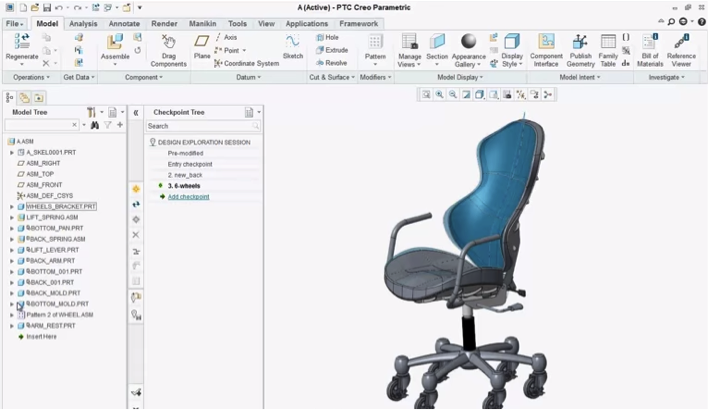
PTC Creo Design Exploration Extension (Creo DEX) helps streamline the process for assessing new designs and deciding on changes to the designs without risking the original model.
When it comes to your current processes in product development, here are some important questions to consider:
Did you know that 92% of PTC customers said in a recent survey that they could benefit financially by having a better platform for developing their concept designs?
When you’re facing a design challenge, changes are you’re going to be looking at lots of different options to find the right solution. Initially, this might mean sketching out ideas in rough or brainstorming concepts that still need development. After you’ve explored these early ideas, you’ll want to develop the best of these ideas further and look at them in greater detail.
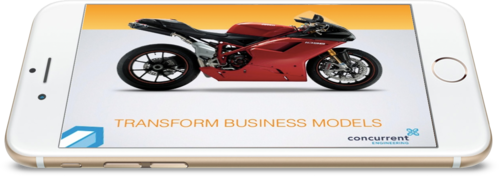
People want different things. In the modern world, where customisation and personalisation are becoming increasingly common and expected, it's no longer enough to make a single product that you ship everywhere in the world.