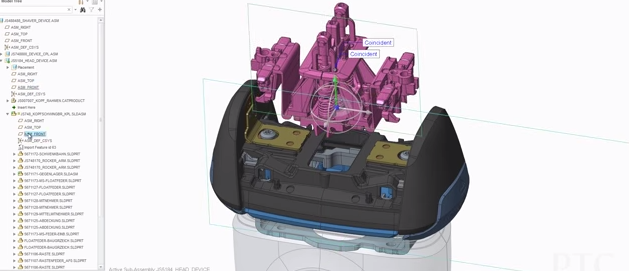
The new release of Creo Parametric 3.0 comes with some impressive new features and functions. They’ve all been made to help designers and engineers be more productive and create better products.

The new release of Creo Parametric 3.0 comes with some impressive new features and functions. They’ve all been made to help designers and engineers be more productive and create better products.
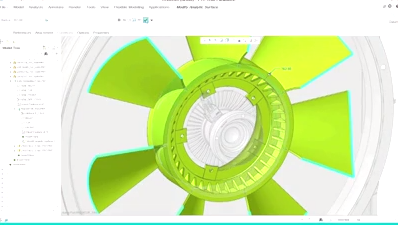
We have talked a lot in recent months about multi-CAD, looking at the benefits and possibilities that it offers. Now with the latest release of PTC Creo, companies are now able to take advantage of multi-CAD.
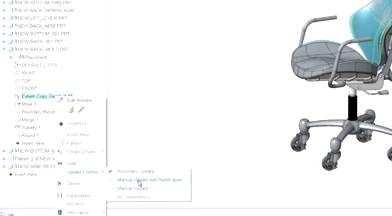
When it comes to concept design, companies typically have a range of different paradigms that they want to use during the concept design phase. Then they want to be able to reuse this data during the design development, without losing any of the design intent. So, it isn’t a surprise that having the right tools in place is vital if you are going to make the best use of your concept design work.
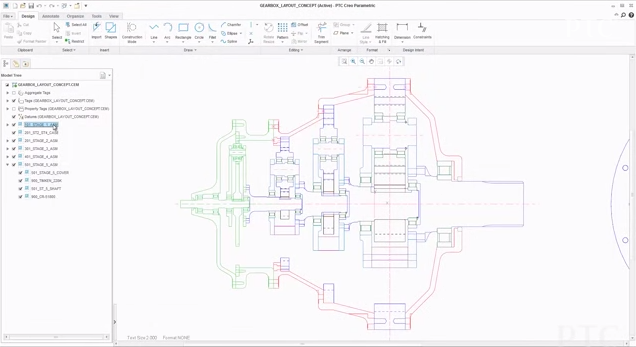
PTC Creo 3.0 is now here. But what does this new release mean for designers and engineers? As the latest release of Creo continues to deliver greater power and more flexibility to support the acceleration of the product development process, we evaluate some of the headline benefits of this new release.
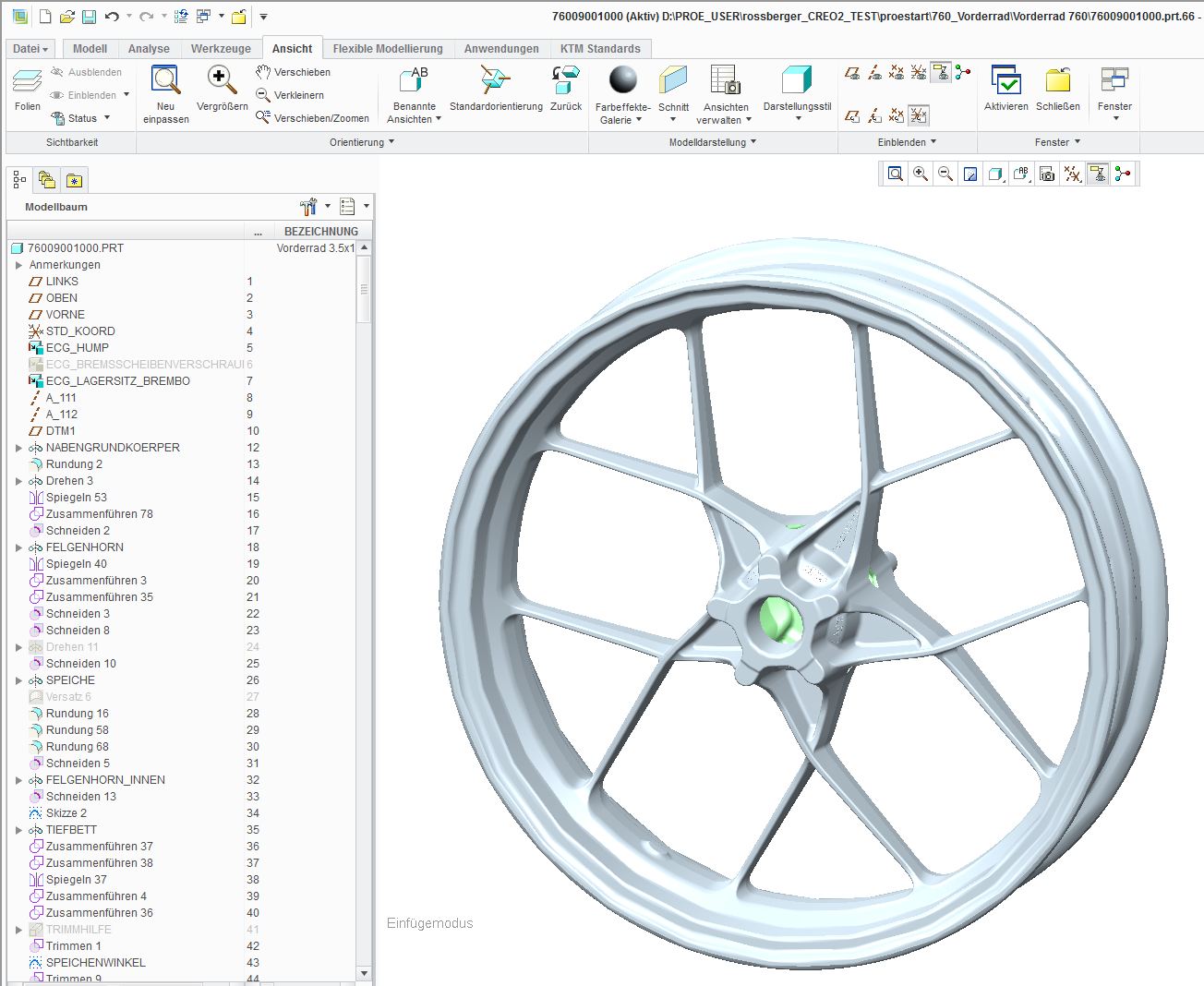
You might have already heard: Creo 3.0 is coming soon. The official worldwide launch of Creo 3.0 is due on June 16th 2014, at PTC Live Global.
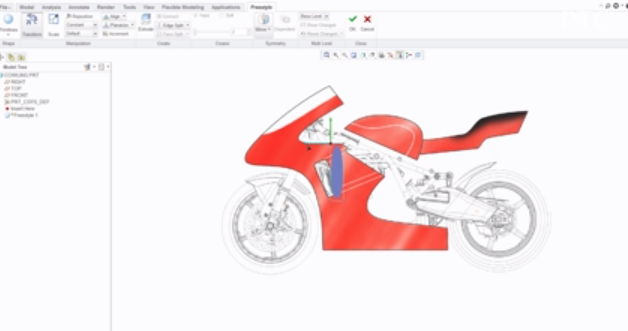
Complex surface modelling used to require specific skills and expertise. But this is no longer the case. New tools and capabilities, which are available in Creo Parametric, now mean that it is easier than ever before for you to create freeform models with high-quality, curvature-continuous surfaces. With Freestyle in Creo Parametric, you no longer need to struggle to achieve the final result that you want.
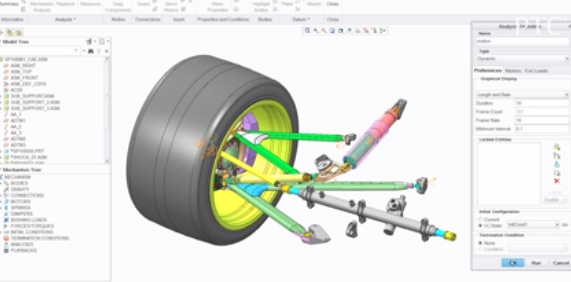
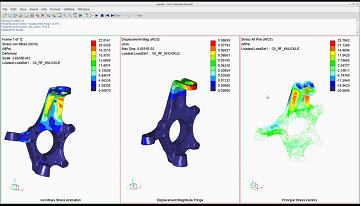
PTC Creo Simulate offers extensive simulation capabilities. These allow design engineers to analyse both parts and assemblies. This means that you can fully investigate the structural, thermal and motion behaviour of your designs under real-life circumstances.
For many organisations, there can be choke points in their product design process. These slow down the rate of development and mean it takes longer to get new products to market. One example of this is simplifying models for analysis, which is a challenge for many companies.
Nothing works in isolation. This is especially true in our increasingly connected world. So, it’s no surprise that, in an engineering environment, one of the ways the effectiveness of a CAD tool is measured by the extent it is able to interact with other processes and systems. Think about it this way, when you use a sophisticated CAD tool, but find you cannot integrate this information to other parts of your product development process, this limits the effectiveness of the system. So what are the characteristics to look for, to ensure your CAD tool is as effective as possible?
Many manufacturers are currently in a position where they are using several CAD applications. This could be because of customer needs, external suppliers, or even internal departments using different CAD packages. While it is not always possible to reduce the number of CAD packages that you have to use, in instances where you can, there are clear advantages. Let's take a look at 4 key factors that make CAD consolidation a viable and profitable choice for many manufacturers.