Did you know there is a backlog of 17,000 aeroplanes waiting to be built? Aerospace and defence order books are also full. You’d think that looks like a position of strength for industry, but you’d be wrong.
Concurrent Engineering has acquired SDC Systems. This strategic move strengthens our capabilities in the ALM and Codebeamer space, aligning with our commitment to deliver advanced solutions that tackle modern engineering challenges.
This acquisition is a key step in Concurrent Engineering's commitment to delivering advanced solutions that tackle modern engineering challenges. By joining forces, the company will build on its existing knowledge and expertise, expand its range of solutions, and provide greater long-term value to its customers and partners.
Digital transformation is changing the MedTech industry as it shifts from traditional hardware to a more data-driven approach. With higher expectations from patients, new demands from regulators and competition from new digital-first entrants, MedTech has never been more challenging.
In this article, we’ll look at how digital transformation can help MedTech companies overcome these challenges. Whether it’s AI, IoT, cloud, advanced analytics or anything else, the key to MedTech survival lies in these capabilities. Let’s get started.
Sustainability used to be a nice-to-have in MedTech, but now it’s a core priority. It’s no surprise that manufacturers are under pressure to change how devices are created, produced, packaged and handled at end of life. After all, the healthcare industry accounts for around 4.4% of global carbon emissions, and roughly 80% of that comes from the production, transport, use and disposal of medical supplies. Change is now essential, not just for environmental impact but also long-term business survival.
In this article, we’ll look at how the MedTech sector is shifting to create a more sustainable future.
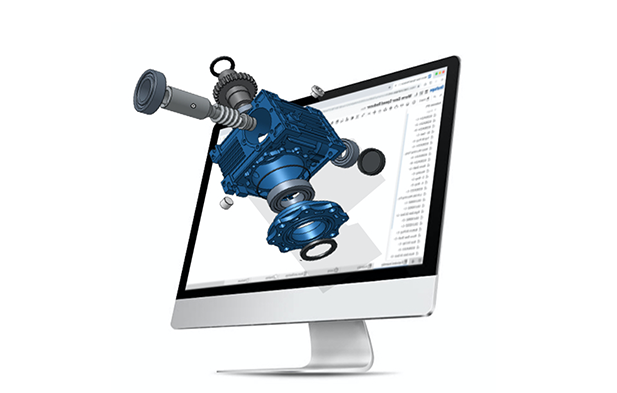
If your CAD system is slow, has a tendency to crash under pressure or makes simple changes painful, it’s time to move on. Creo is the design professional’s choice for stable, fast and smart design. Built on 35 years of experience, Creo helps engineers and manufacturers turn ideas into products more efficiently than ever.
In this article, we’ll share eight ways Creo keeps ahead of the design curve.
In almost every industry, sustainability has become a defining challenge. Automotive, MedTech and aerospace companies face pressure to cut emissions, reduce waste, and use resources more responsibly.
AI is a manufacturing revolution waiting to happen. McKinsey estimated that it could add $13 trillion to the global economy and increase global GDP by 16%. In manufacturing alone, the potential is worth up to $2.1 trillion through greater automation in factories. Yet for all the promise, adoption is still limited. Gartner reports that fewer than 10% of companies have generative AI running in production. The challenge is that most manufacturers face a tangled web of systems, data silos and compliance pressures that make implementing AI at scale difficult.
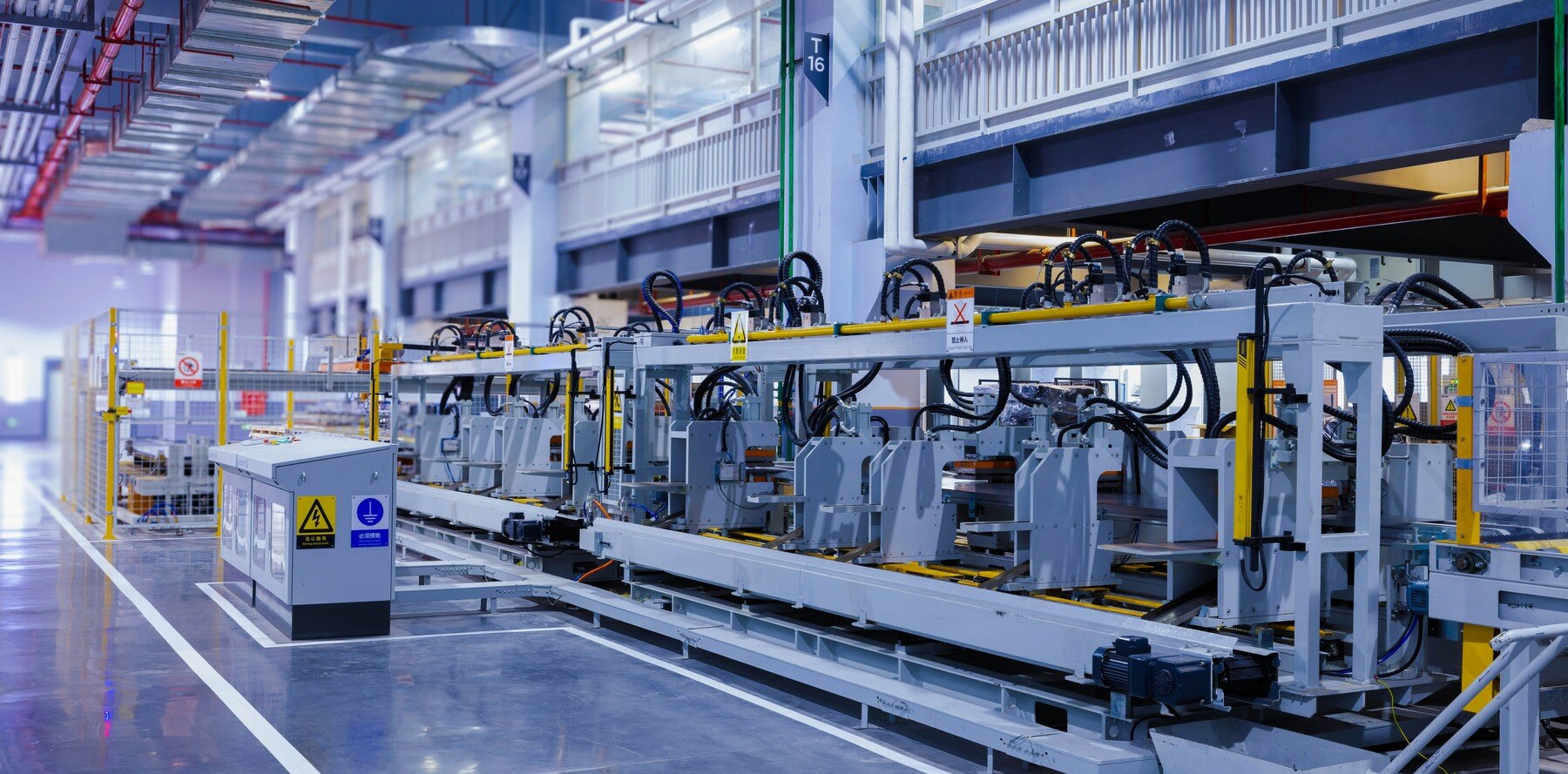
Manufacturers today face constant pressure to deliver products customers want, at the quality they expect, at the speed the market demands. Achieving this requires coordination that stretches across every department in the business. At the same time, new technology is reshaping every industry, forcing leaders to rethink how they operate and how to change for the future.
It’s a tough time for product engineering leaders. Working against a backdrop of geopolitical and economic uncertainty, every investment is under scrutiny. Companies want to see three key improvements:
You’re chasing a product deadline and you’ve handed your designs off to the manufacturing team. But manufacturing doesn’t understand some of the key details because they’ve been working on a different version of the design. Emails fly. Drawings need to be revised. By the time you’ve sorted the problem out, you’ve lost weeks.